


Beef cattle nutrition is a complex but crucial aspect of successful livestock management and a key component of cattle nutrition is protein. Ensuring your herd has access to adequate protein in their diet is essential to health, growth and reproductive efficiency which ultimately impacts your profitability.
This IFA Protein Supplementation Guide will demystify protein supplementation for beef cattle, helping you make informed decisions for your herd’s nutrition requirements.
Why Do Cattle Need Supplemental Protein?
Proteins, composed of amino acids, are fundamental to all life processes. In cattle, sufficient protein levels in the diet are necessary for every production stage to achieve desired health, growth and reproductive efficiency.
Protein Requirements and Rumen Microbes
Cattle are ruminant animals which means they possess the remarkable ability to produce up to half of their protein requirements through the rumen fermentation process. Billions of microbes in the cow's digestive system break down fibrous forages, producing energy-rich chemical compounds for the cow.

These microbes also create protein as they replicate and grow. As these microbes complete their short life cycles and expire, their protein components are absorbed in the cow's lower digestive tract, providing a high-quality protein source to the cow. This internal protein creation means that cattle and other ruminants have relatively modest dietary protein needs compared to many other species.
However, these rumen microbes need nutrients to thrive, including carbohydrates from plant fiber, nitrogen and certain minerals and vitamins. Cattle must consume a certain amount of dietary protein to meet the needs of their rumen microbes and fulfill their own total protein requirements.
Dietary Protein at Work
Dietary protein is broken down by rumen microbes and reformed into new protein. Depending on the protein source, a significant portion of dietary protein bypasses the rumen and is absorbed in the lower digestive tract alongside microbial protein and used to support the cow's physiological systems, growth and calf production.
While cattle can typically meet their protein needs from pasture or hay for much of the year, there are times when lower quality forage is utilized which leads to dietary protein deficiencies. A lack of dietary protein also diminishes internal microbial protein production that exacerbates the deficiency.
Protein deficiency can result in a loss of body condition and negatively affect overall health and fetal development. Utilizing low-quality forages can be a cost-effective management strategy, but it is important to provide supplemental protein that meets the animals’ and rumen microbes’ nutrient requirements.
When Should Supplemental Protein Be Fed?
The simple answer is whenever the cow's dietary protein requirements are not being met. This depends on the quality of forage available.
Protein Availability in Forages
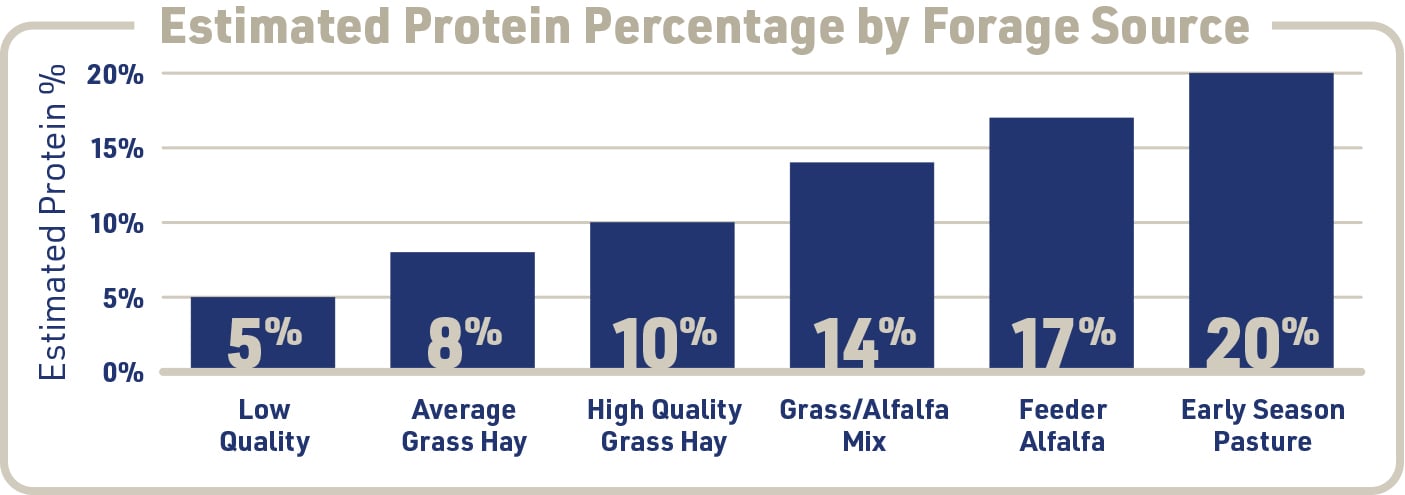
The general estimated forage protein percentages for various forage types include:
- Low Quality: 5.0%
- Average Grass Hay: 8.0%
- High Quality Grass Hay: 10.0%
- Grass/Alfalfa Mix: 14.0%
- Feeder Alfalfa: 17.0%
- Early Season Pasture: 20.0%
Depending on the cow's condition and stage of production, any forage with less than 12% protein may require supplementation. Low-quality forages–such as late-season range, dry pastures, oat hay, straw, corn stalks, and some low-quality alfalfa and grass hay–will generally require supplemental protein if fed for more than a few days.
The most accurate way to determine the protein level of your specific forages is through a laboratory analysis. Your IFA sales consultants can assist with forage sampling and provide you with recommendations based on the feed analysis.

Cattle Protein Requirements
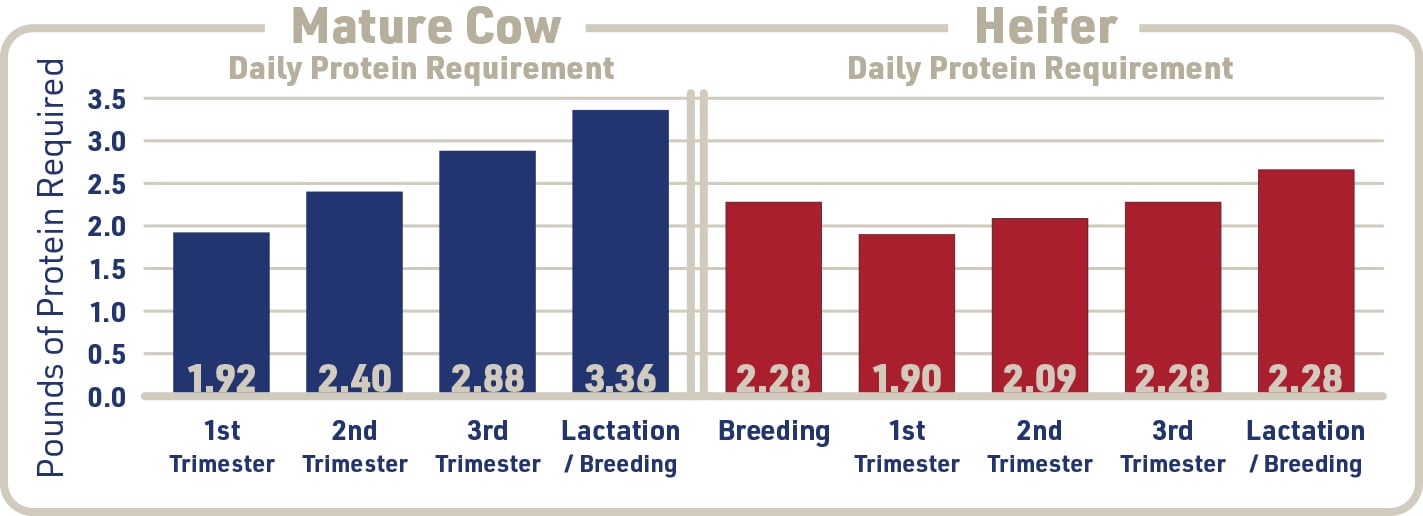
Once you have an estimate of the available forage protein, you can compare it to cattle protein requirements based on production stage.
Mature Cow Daily Protein Requirement (lbs Protein Required)
- 1st Trimester: 1.92 lbs
- 2nd Trimester: 2.40 lbs
- 3rd Trimester: 2.88 lbs
- Lactation/Breeding: 3.36 lbs
Heifer Daily Protein Requirement (lbs Protein Required)
- Breeding: 2.28 lbs
- 1st Trimester: 1.90 lbs
- 2nd Trimester: 2.09 lbs
- 3rd Trimester: 2.28 lbs
- Lactation/Breeding: 2.66 lbs
These charts are based on a 1,300 lb mature cow and a 900 lb heifer. If your cattle weights differ significantly, we recommend consulting an IFA feed sales expert or nutritionist for precise calculations.
Determining Protein Amounts
To determine the amount of supplemental protein needed, you can use the following calculation:
- Forage Protein Intake (lbs) = Forage Protein Percent X Cattle Forage Intake (lbs) (Body Weight X 0.02) – Use the calculator below to determine the forage protein intake.
- Supplemental Protein Needed (lbs) = Cattle Protein Requirement (lbs) – Forage Protein Intake (lbs) – Use the calculator below to determine the supplemental protein needed.
If the result of the "Supplemental protein needed" calculation is negative, no protein supplement may be necessary.
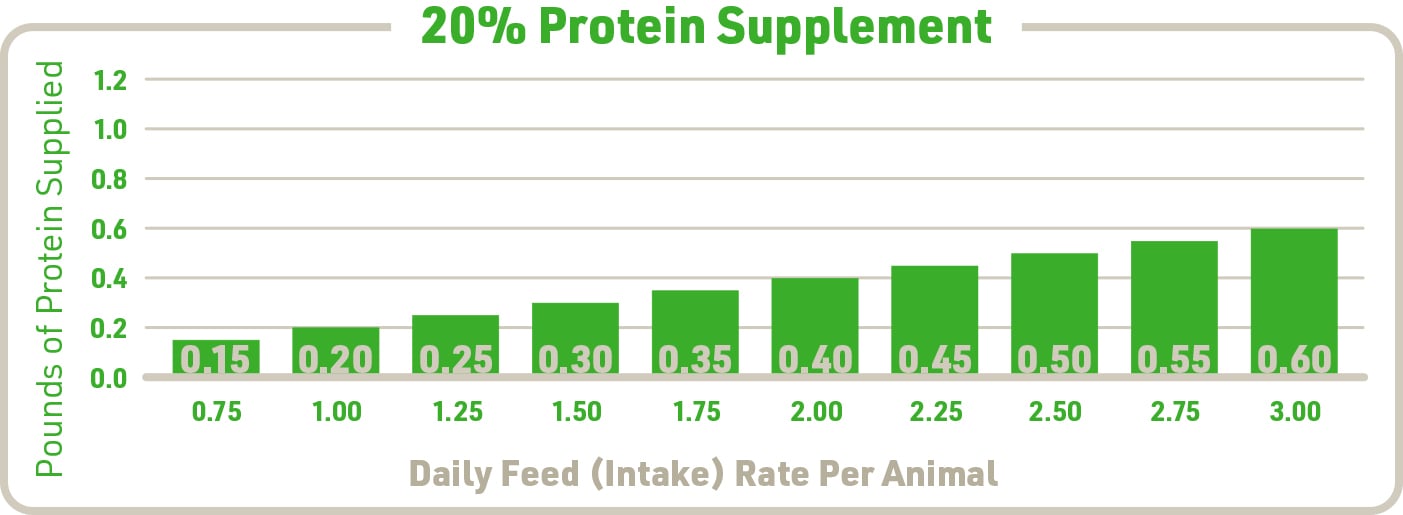
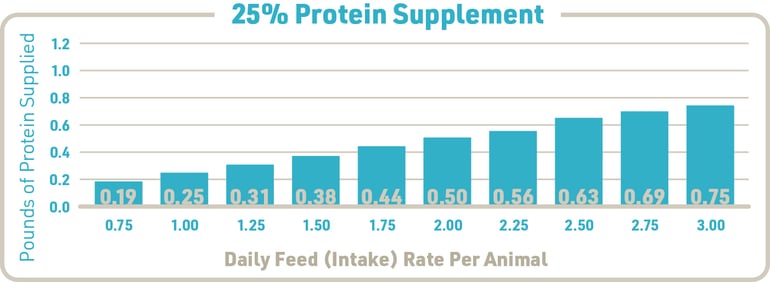
Once you have an estimate of the pounds of supplemental protein needed per cow per day, you can translate that into the amount of a specific supplement product to feed. Protein supplements for cattle generally range from 20% to 36% crude protein content.
For example, if you need to supplement 0.30 lbs of protein per head, and you are using a 20% protein supplement, you would need to feed 1.50 lbs of that product per head. Higher protein products typically have a higher cost per pound but may be more economical overall as protein needs are met with a lower feeding rate.


Cost of Supplemental Cattle Protein
Calculating the daily cost per head is crucial when comparing supplement options. Knowing your target consumption rate ensures your cattle are adequately supplemented at the lowest possible cost.
Supplement Cost Per Head Daily = Target feeding rate to supply desired amount of protein X Product Cost Per Pound – Use the calculator below to determine the cost per cow per day.
For example: 1.25 lbs X $0.40 per pound = $0.50 per cow per day.
Knowing your cattle's actual protein needs allows you to compare different supplement products and their associated costs effectively. A higher protein product will generally have a higher cost per pound, but may cost less to feed in total, as protein needs are met at a lower feeding rate.
Protein Supplement Products
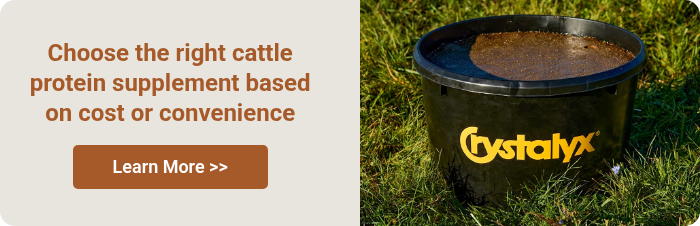
There are many options available to supplement protein to grazing cattle. The different products vary in protein content, cost and feeding method. Self-fed products offer convenience and labor savings but are generally higher in cost. Hand-fed products may save money but also require more regular trips to the pasture to distribute the supplement.

Self-Fed Supplements:
-
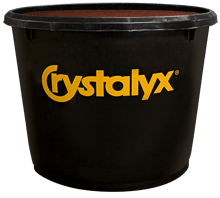 Low-Moisture Tubs: Molasses-based supplements manufactured by 'cooking' the supplement mix and pouring the hot mix into containers where it hardens within a few hours. The exposed surface of the hardened mix softens gradually with exposure to cattle saliva and atmospheric moisture, allowing good consumption control when the recommended number of tubs are made available to the cattle.
 -
Pressed Blocks: These include traditional 50-pound blocks and certain plastic tubs. Manufactured by applying hydraulic pressure to the supplement mix, consumption is controlled by the density (hardness) of the product. Consumption can be quite variable and may work best when limit-fed, making them a semi-hand-fed product.
-
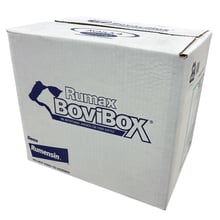 Chemically Hardened Blocks or Tubs: Molasses-based supplements that contain levels of magnesium, calcium, and salt that cause them to harden within a few hours after being placed in a container. Consumption is controlled by the hardness of the product and by salt and other mineral content.
 -
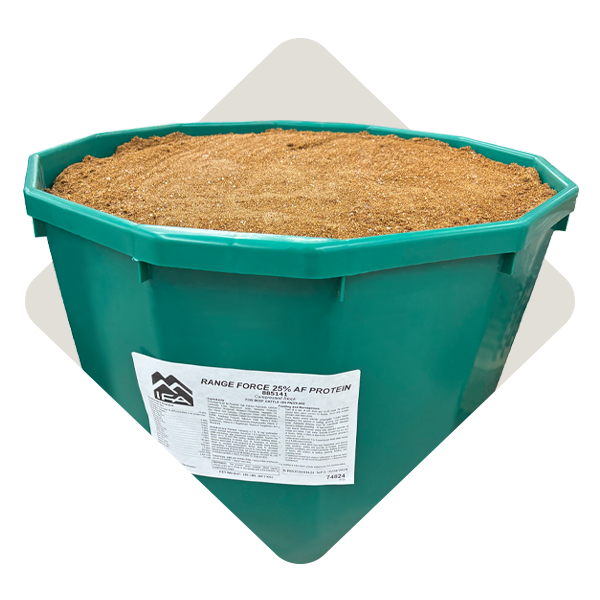
Salt-Limited Meals: Loose meal mixes containing high protein ingredients such as soybean meal, canola meal or corn distillers grain. Consumption is controlled by the inclusion of high levels of salt (generally 20% to 30%). Must be fed in tubs or troughs. Water availability and access are critical when supplementing salt-limited meals, as high salt intake increases water requirements.
-
Liquid (molasses-based) Supplements: These require the use of lick tanks, generally serviced by a feed company or dealer. Consumption is controlled by additives that alter the palatability of the liquid. Tanks can limit flexibility in feeding locations as they must be empty to be relocated.
Hand-Fed Supplements:
-
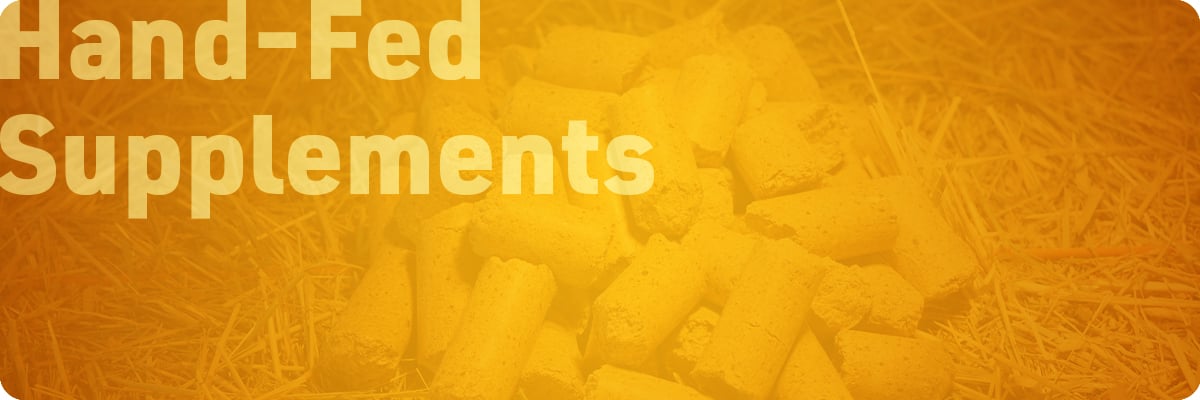
Cubes or Pellets: Feeding ‘cubes’ or large diameter pellets directly on the ground is a common way to supplement both protein and additional energy when needed. Cubes require bulk storage and delivery equipment on the ranch but can be very cost-effective for larger operations over the long term. Cubes are generally fed everyday or every other day. Feeding location can be changed regularly, allowing for strategic placement to encourage grazing in underutilized areas.
-
Alfalfa Hay: Feeding a few pounds of average quality alfalfa hay can be an economical way to supplement protein, especially when feeding low quality grass hay in the same location. However, supplementing alfalfa when cattle are expected to graze low quality late season or stockpiled winter forage can be counterproductive as it could discourage cattle from traveling to foraging areas, preferring to stand around waiting for their daily alfalfa treat.
-
Commodity Protein Meals: This is an economical but rare supplementation method since feeding straight commodity meals such as corn distillers grain or soybean meal requires bulk storage as well as the availability of troughs or bunks for feeding.
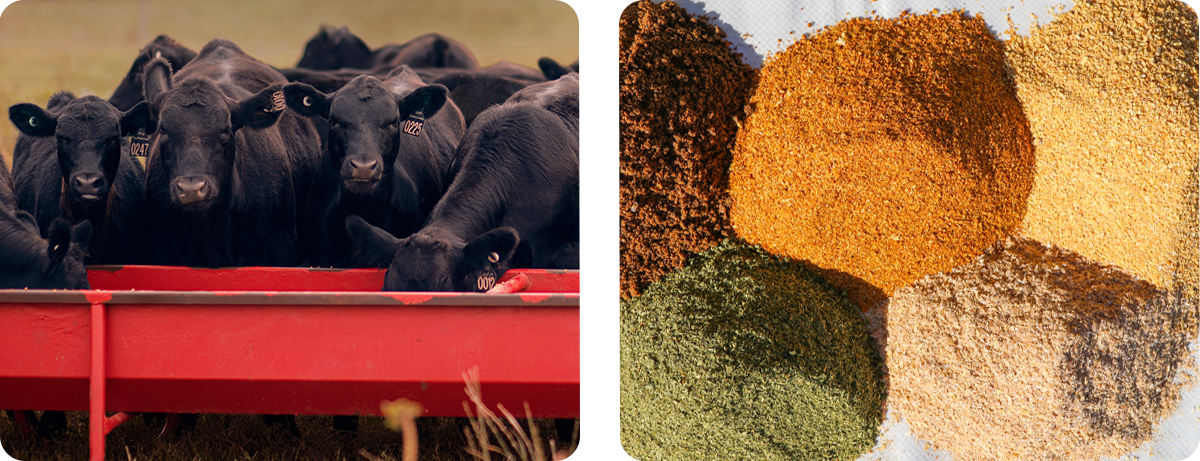
Cattle protein supplement decisions will be unique to every ranch and feeding situation. Time savings and convenience may be a primary consideration in many cases. Regardless of the supplement product being fed, tracking consumption levels and costs should be done regularly.
Consumption Control and Tracking
When hand feeding a supplement is not an option, controlling or regulating the consumption of self-fed supplements is an important consideration. Ideally, every animal would consume the target amount of supplement each day. In reality, there are lots of variables that affect the consumption of each animal as well as the average consumption of the group.
Several methods of regulating consumption are available: hardness or gradual softening of blocks, palatability or salt level of the supplement. These methods all work, but they require monitoring and adjustments to ensure adequate consumption without allowing overconsumption and excessive cost.
Tracking the consumption rate is as simple as keeping track of how many pounds of supplement are put out, divided by the number of days it takes to use it up, divided by the number of animals that have access to the supplement.
Example: (1,000 lbs of supplement / 5 days = 200 lbs per day) / 100 head = 2.0 lbs per head daily.

Managing Consumption
Even though all self-fed protein supplements have a built-in way of controlling consumption, monitoring and managing supplement consumption will lead to the most cost-effective results. Your IFA sales consultant and supplement product representatives have experience with a wide range of feeding situations and are equipped to advise on supplement management for your specific situation. Here are a few basic tips to help you make decisions about cattle protein supplementation:
-
Number of Blocks or Tubs: Self-fed supplements will have a recommended number of blocks or tubs to put out for a given number of animals. The recommendations are generally one block per 20 to 30 animals so that dominant animals cannot monopolize every feeding location. The most common cause of low average consumption is too many animals per block, leading to competition and uneven intake.
-
Placement of Supplement: Strategic placement of supplements can influence grazing patterns and ensure all animals have access. Placing supplements near water sources or in areas where cattle tend to congregate can encourage consumption. Conversely, placing them in underutilized areas can help distribute grazing pressure.
The Power of Periodic Protein Feeding
Consistency in protein supplement consumption doesn't always have to mean daily feeding. A strategic approach known as periodic protein feeding can be just as effective and more economical in some situations. This method is particularly useful for hand-fed supplements and involves providing the full protein requirement for several days at once, rather than in small daily amounts.
Research has demonstrated that feeding protein supplements at intervals of up to four days can yield similar performance in cows as continuous daily feeding. The key is to ensure that all cattle have access to the supplement on the designated feeding day and that their total protein needs are met over the feeding period.
For example, if a cattle herd requires 0.3 lbs of supplemental protein per day, a periodic feeding schedule would involve providing 1.2 lbs of actual protein every fourth day (0.3 lbs/day x 4 days = 1.2 lbs). This is typically done using supplements like cubes or soft blocks that cattle can easily consume.
Maximizing Forage Use with Supplemental Protein
For many ranching operations, especially in the Intermountain West where forage quality declines as the season progresses, a key challenge is making the most of mature, low-quality feed. These forages often have low protein levels and high fiber content. This combination can slow down the digestive process, causing a drop in forage intake and negatively impacting your cattle's health and body condition.
This is where a strategic approach to protein supplementation comes in. Providing the right amount of supplemental protein at the right time stimulates the microbes in the rumen. This speeds up fermentation and increases the rate at which forage passes through the digestive system, allowing cattle to consume and digest more forage. Ultimately, this helps them maintain their body condition and overall health.

Protein Supplements vs. Energy Supplements
Maintaining optimal body condition is vital for profitable cattle production, but it's important to understand the role of different supplements. While supplemental protein can help a cow maintain body condition in low-quality forage situations, it does so by improving the digestion and intake of that forage. The energy needed to maintain body condition must primarily come from the forages themselves.
Protein supplements are designed to be fed at low rates and are not an economical way to make up for a lack of forage. If your cattle are facing a forage shortage, the solution is not more protein, but rather additional hay or higher-energy feed sources like range cubes.
Additional Beef Cattle Protein Considerations

Enhancing Herd Health: The Importance of Nutrient Fortification and Additives
There are many factors that should be considered when choosing a cattle protein supplement. When making your decision it is critical to look beyond the crude protein percentage and consider whether the product is fortified with additional nutrients and additives. While these additions increase the cost, they can be a wise investment in your herd's overall health and productivity.
Beyond minerals and vitamins, modern supplements can also contain various additives designed to improve specific aspects of your cattle's health and performance. These include:
- Probiotics or direct-fed microbials: To improve gut health and alter the rumen's microbial environment.
- Prebiotics: To stimulate the growth of beneficial bacteria and help bind pathogens and toxins.
- Postbiotics: To provide beneficial end products from fermentation processes.
- Enzymes: To help with the digestion of fiber, starch, or protein.
- Essential oils: To potentially improve average daily gain (ADG), gut health, and even reduce methane production.
- Medications: Such as ionophores to increase feed efficiency or coccidiostats to prevent diseases like coccidiosis.
Understanding Non-Protein Nitrogen (NPN) in Supplements
Many protein supplements use Non-Protein Nitrogen (NPN), like urea, to boost their guaranteed protein levels. The urea nitrogen used in cattle supplements is essentially the same thing we use to fertilize crops. While not a true protein itself, NPN is a valuable source of nitrogen that rumen microbes can use to create their own protein. This process can stimulate microbial growth, leading to more "internally generated" microbial protein for the cattle.
It’s important to understand a few key things about supplements containing NPN:
- Cost-Effective: NPN is a less expensive way to increase the protein content of a supplement compared to using only natural protein sources.
- Balancing Act: NPN should not be the sole protein source. A good rule of thumb is for NPN to make up no more than one-third of the total protein content in a supplement, ensuring cattle and their rumen microbes get the natural protein they need.
- Safety First: There is a limit to how much NPN a cow's rumen can handle. Over-consumption can be toxic or even deadly. Always monitor your cattle's intake carefully when feeding NPN supplements.
- Ruminant-Specific: NPN supplements are only for ruminant animals like cattle and should never be given to horses.
Cattle Protein Supplementation with IFA
Effective protein supplementation is a cornerstone of profitable beef cattle production. By understanding why cattle need protein, when to provide it and how much to feed, producers can optimize their herd's health, growth and reproductive efficiency.
Contact a feed sales consultant at your local IFA Country Store or your IFA nutritionist or feed sales rep for help determining your herd’s nutrition requirements and the best cattle protein supplement products to meet your needs. Regular monitoring and strategic adjustments can ensure your cattle receive the right amount of protein at the right time for healthier animals and a more sustainable and profitable operation.
Information provided by Jim Lamb, PhD, PAS, IFA Feed and Nutrition; Dennis Christensen, MS, PAS, IFA Feed and Nutrition; Marty Short, PAS, IFA Commercial Feed Marketing and Business Development, and Bryce Roholt, IFA Feed and Nutrition Marketing Manager.