


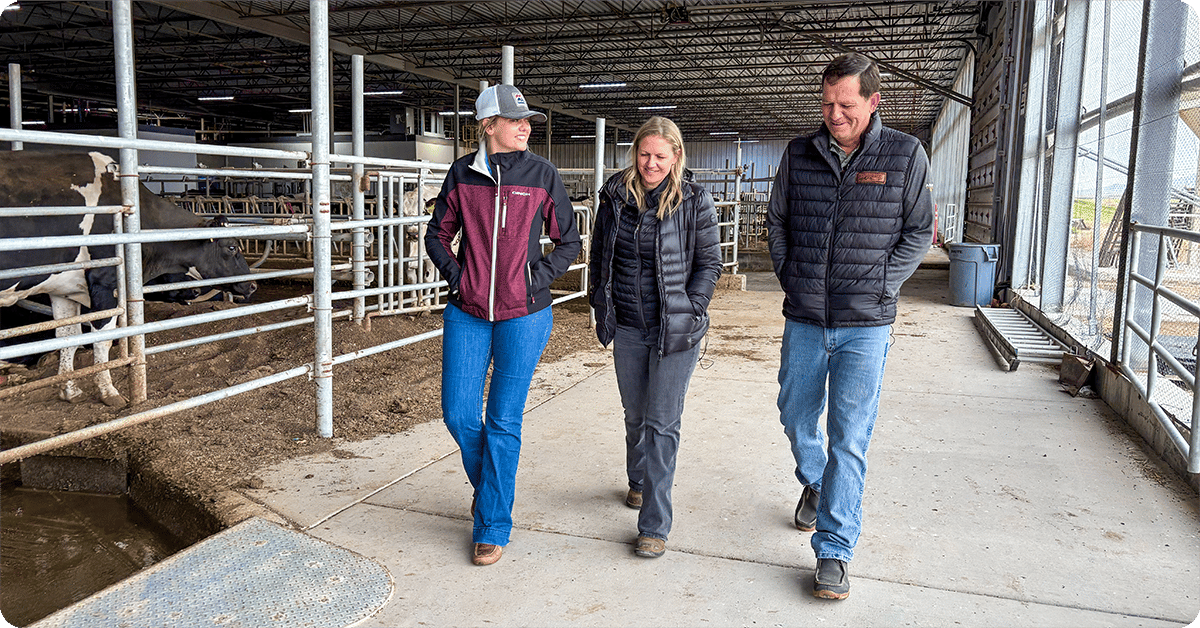
Walk through the quiet, temperature-controlled aisles of the Bateman’s Lakeview Dairy, and you might see a man studying the condition of the cows, the consistency of the manure, and the quality of the feed. To some, he’s a consultant. To others, he is a scientist. To Intermountain Farmers Association and the producers he serves, Dr. Laun Hall is a vital partner in the longevity and health of their agricultural operations.
Dr. Hall has served as an IFA ruminant nutritionist since 2014, blending high-level nutritional physiology with a boots-on-the-ground reality of dairy herd management. His journey to becoming one of the region's most respected nutrition experts is proof that the best results come when expert science meets conventional farming wisdom.
An Unconventional Academic Journey to IFA
Dr. Laun Hall’s connection to agriculture was forged early, though his path to a PhD was not a straight line. Both of Dr. Hall’s grandfathers were involved in agriculture, managing their own dairy and beef cattle operations. Livestock has always been in his blood, but before he was balancing complex feed formulas for high-producing dairy herds, he was a welder. Dr. Hall spent years in the trade before pursuing his passion for cattle nutrition.
Dr. Hall’s academic credentials are formidable. He completed general studies at Utah State University with a minor in biology, then earned a master's degree in feedlot beef nutrition from the University of Arizona. He capped it off with a PhD in dairy nutrition, specializing in environmental physiology, understanding how heat stress and environmental factors affect the nutritional needs of cattle. For producers managing herds through brutal Western summers, it's become a cornerstone of the technical services Dr. Hall provides to IFA patrons across the region.

Despite his high-level education, Laun experienced what he describes as "culture shock” when moving from academia into the field. "In academia, you always think that they're the most brilliant, intelligent, able people," Hall reflects. "Coming out of academia, you realize the intelligence; the beauty of the whole system, is here with these producers.”
That shift shaped how he approaches his work. He doesn't see himself as an outsider giving directives, but as a collaborator. "We essentially act as a business partner with the producer," he says. "We look at what their goals are. Are they trying to reach a certain production level? Are they trying to reach a certain longevity with the cows? Then we identify what feeds are the most limiting."
Driving Success in the Region: Why Environmental Physiology Matters Out West
Dr. Hall’s nutritionist role is centered in Utah, though regularly takes him into Idaho, Colorado, New Mexico, Nevada, and Arizona. His expertise in environmental physiology has been a game-changer for the region.
Dr. Hall understands how heat stress and environmental factors affect a cow’s internal mechanics and adjusts rations to mitigate the physiological toll of the Western climate, giving IFA producers a competitive edge.
Dr. Hall’s expertise and contributions to the cooperative have been supported by the whole IFA South Region Feed team. Under the leadership of South Region Feed Mill Manager Jeff Stevens, the region has flourished, connecting the feed sales team, the feed mills, and expert nutritionists like Dr. Laun Hall into a cohesive unit.
"It’s a really good team," Dr. Hall says of the South Region operations. "Having everyone in the office, the mill workers, the salesmen, all be on the same page is a really good thing. We’re all working toward the same goal and that’s the success of the patron."
This collaborative approach is most visible in the way IFA handles feed quality and customization. For Dr. Hall, the expertise at the South Region Feed Mill is what allows his nutritional formulations to come to life. Whether it is ensuring the quality of all feed ingredients or managing the logistics of complex blends, the mill’s execution is vital.

How Better Dairy Cattle Nutrition Transformed the Bateman Herd
One of the most prominent examples of Dr. Laun Hall’s impact is his 12-year relationship with the Bateman family and their diverse operations. Dr. Hall has worked closely with them as they transitioned into some of the most technologically advanced dairy practices in the country, centered at the Lakeview Dairy in Elberta, UT.
Making an Immediate Difference in Cattle Nutrition
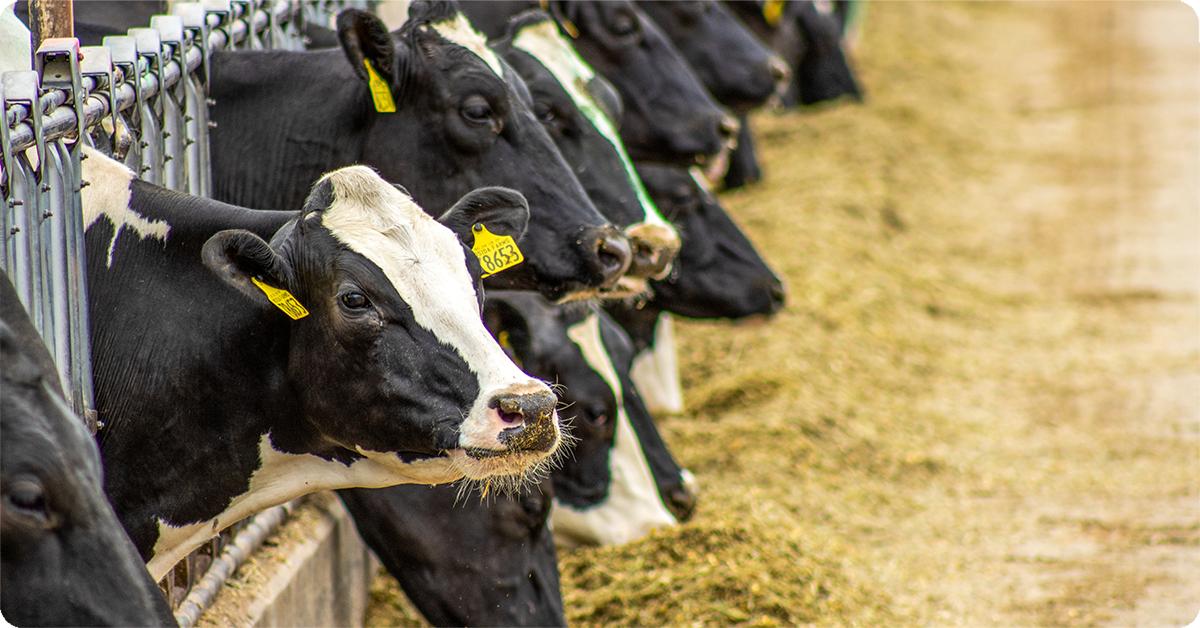
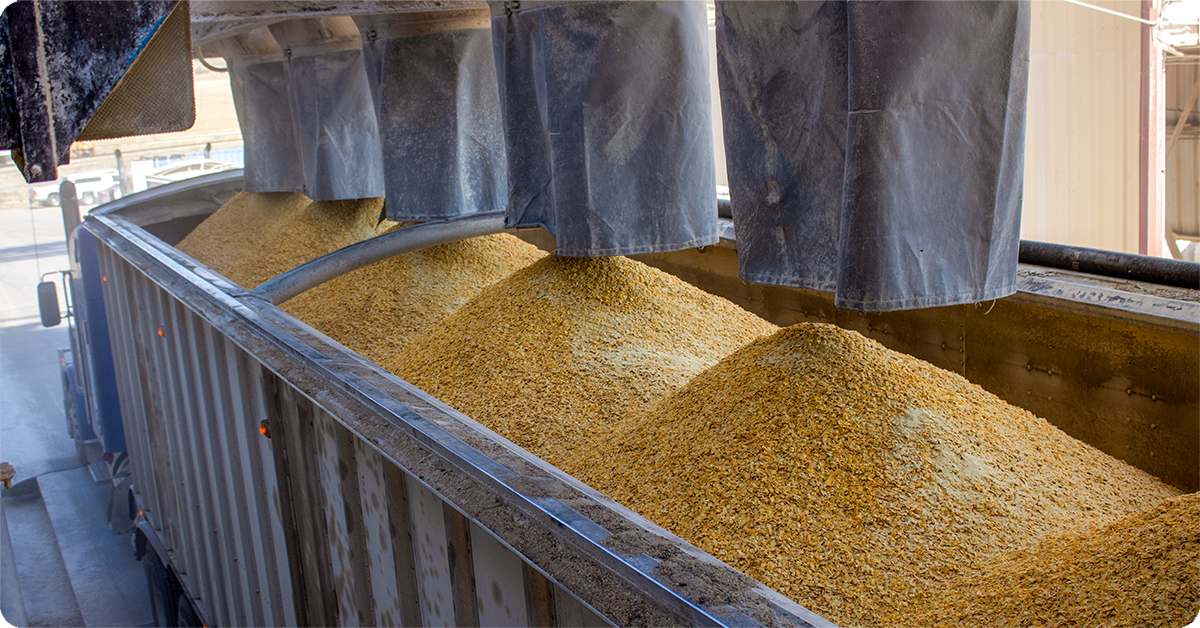
The partnership began with a focus on stabilizing the herd’s diet through "good science." First, Dr. Hall moved the herd from ground corn to steam flaked corn. "We got an immediate milk response with that, changing nothing else," Dr. Hall notes. "And then we moved to a customized formula for their fat and protein, and their vitamins and minerals."
The results speak for themselves. "It is not uncommon to see a significant 8% to 10% response in production almost immediately after we implement some of these things," Dr. Hall explains. Beyond just volume, the Bateman herd has seen increases in total pounds of solids, including protein and butterfat percentage.
Technology and Nutrition Working Together
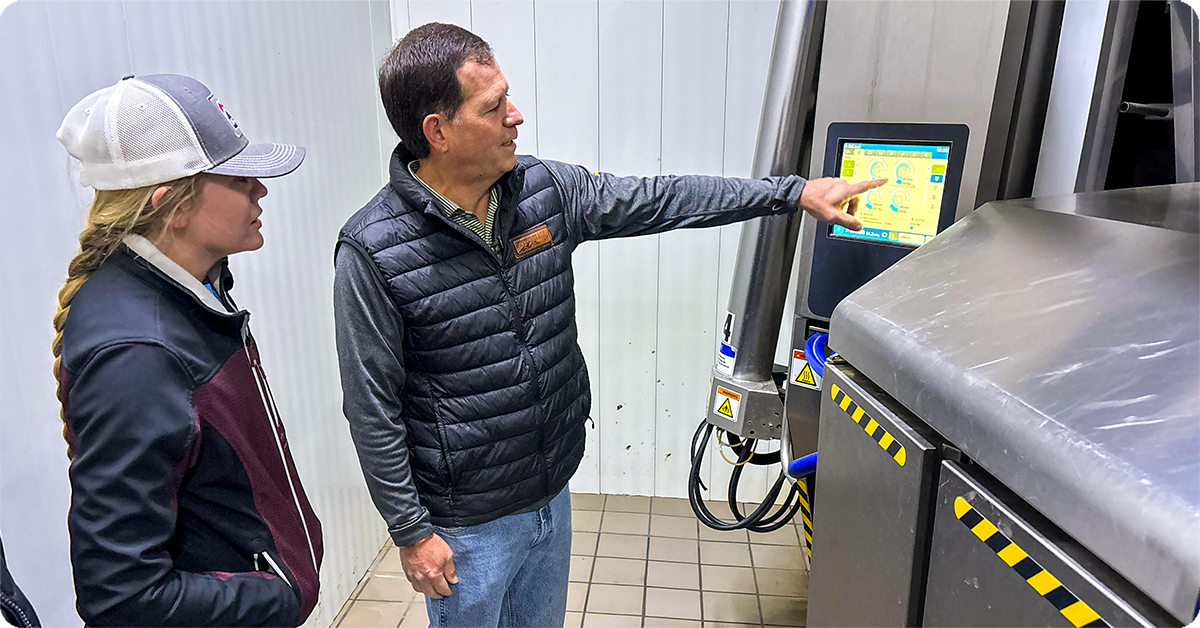
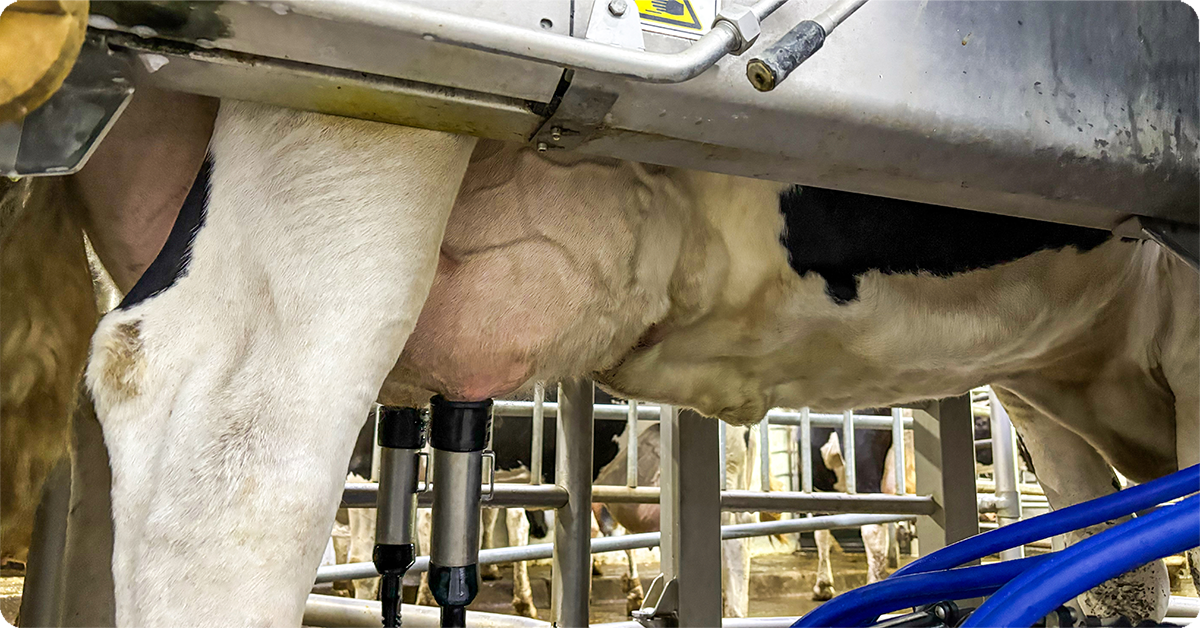
Today, technology and nutrition go hand-in-hand at Bateman’s Lakeview Dairy. The facility utilizes a "D-Level" robotic milking system that allows cows to enter a calm, low-stress environment on their own schedule to be milked. This guided flow system, paired with Dr. Hall’s rations specially tailored with up to 60 different ingredients, ensures that every cow’s specific physiological needs are met.
"The cows are very calm," Laun says, describing the environment. "They bring themselves into the robot to be milked. It creates a low-stress environment that allows the nutrition to really do its job." In this system, Laun’s role is to ensure the Partial Mixed Ration (PMR) is perfectly balanced to complement the high-quality pellets the cows receive during milking.
Dr. Hall credits the Batemans on their innovation. "They are always looking for the next way to improve cow comfort or efficiency, and it’s my job to make sure the nutrition supports those advancements," he says.

Innovation in the Face of Drought
Dr. Hall’s expertise has been particularly critical as the region faces drought conditions. Recognizing that traditional forages like hay and corn silage may be limited or priced unsustainably, Dr. Hall has worked with the Bateman Dairy on what he calls a “fun experiment” exploring "non-conventional" feed solutions.
"A year ago, we did a really fun experiment with the cows where we went to a non-conventional diet," Dr. Hall explains. By introducing non-forage ingredients at higher levels while carefully managing the mechanics of the rumen, Dr. Hall was able to keep the cows healthy and productive. "By bringing in these other ingredients and understanding the mechanics of how the rumen works, we were able to keep the cows healthy and productive despite the lack of traditional forage."
The approach uses byproducts that would otherwise be thrown away, turning them into valuable milk and meat by managing the microbial population within the rumen. "The cow is basically a big fermentation vat," Dr. Hall explains. "If you don't keep those microbes happy, the cow isn't going to be productive. My job is to be the 'chef' for those microbes."
This forward-thinking strategy not only keeps costs down but also prepares producers for times of drought when traditional feed resources are scarce.

The IFA Partnership: A Ruminant Nutritionist’s Philosophy
For Dr. Laun Hall, the job is about more than just numbers on a screen or balancing a ration, it is about the relationship with the producer and the well-being of the animal. He believes in being present, listening to what has worked for generations and then finding ways to make it even better.
As the agricultural industry continues to evolve, the value of an IFA nutritionist increases. For Dr. Hall, the goal remains the same: to help family-owned farms stay profitable and sustainable for the next generation.
"I love what I do because I get to work with the best people in the world," Dr. Laun Hall says. "There is something special about sitting at a kitchen table with a producer, looking at their numbers, and finding a way to make their business better. That’s what IFA is all about—being a partner in their success."
Through his work with the South Region Feed team and his innovations at Bateman Dairy, Dr. Hall has proven that while science provides the answers, management and partnership drive the results.

Written by Mikyla Bagley, IFA Content Writer, and originally published in the IFA Cooperator magazine (vol. 92, no. 3) Fall 2026.
Mikyla Bagley is a fifth-generation rancher actively involved in her family’s cattle operation. She holds a deep respect for the wisdom and management practices of the farmers and ranchers who have crossed her path, both because of her family operation and otherwise. A deep desire to remain connected to the agriculture industry drove Mikyla to earn her BIS in Agriculture Science and Communication from Southern Utah University. She continues to be involved in her family’s operation while using her degree and life-long experience as IFA’s Content Specialist sharing the experiences and wisdom of IFA experts and Co-op Members.
“The agriculture community is filled with genuine and hard-working men and women whose passion for their lifestyle deserves to be shared. I look forward to helping highlight both their stories and expertise alongside IFA.”
—Mikyla Bagley