


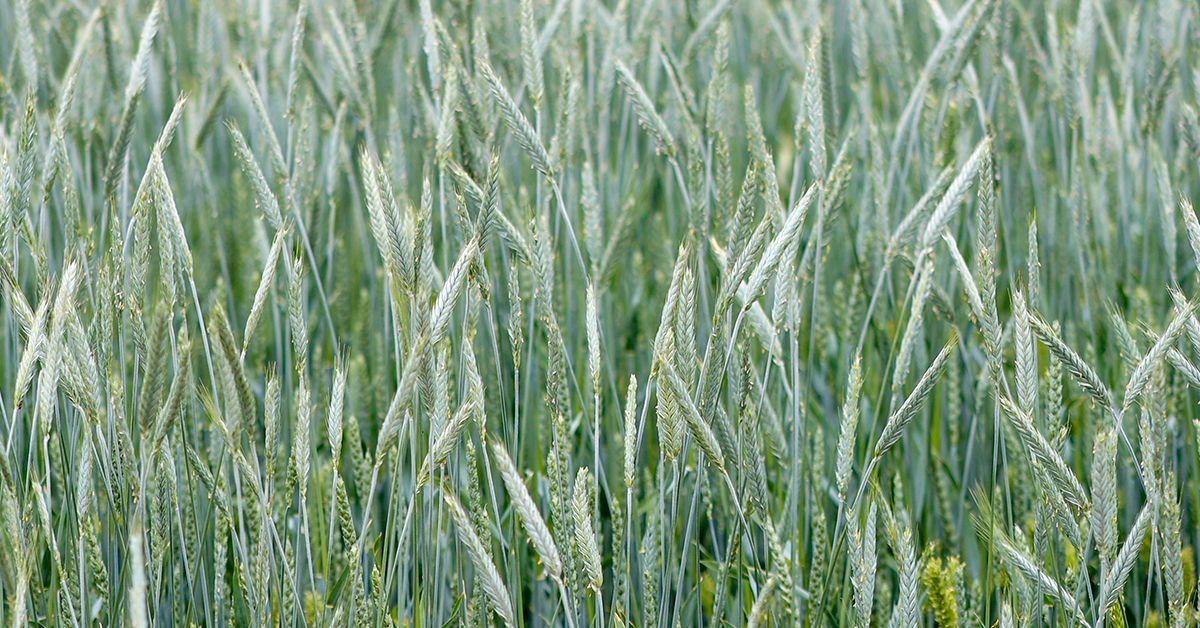
Forage crops are grasses and grains grown specifically to feed livestock. Fall and winter forage crops provide economical, nutrient-dense feed options through the colder months and can extend your grazing season well into winter.
Several excellent small grain options are available for planting winter or fall forage crops. These species include barley, wheat, triticale, cereal rye grain and hybrid rye. Each brings distinct advantages depending on your forage crop goals.
Your choice matters. Producers who green chop can use bearded varieties, while those who bale and direct-feed should choose beardless varieties. This guide provides advice to increase winter crop success, but if you feel lost along the way, IFA has knowledgeable crop advisors ready to guide you every step of the way.
Common Winter Forage Crop Varieties
Winter Wheat
Winter wheat is the most commonly planted winter forage crop for both grain and feed. It produces high-quality forage, tolerates a range of conditions, and provides spring regrowth potential.
Cereal Rye
Cereal rye is prized for winter hardiness and aggressive fall establishment. It's particularly valuable in the Intermountain West, where winter kill is a common risk.
Small Grains: Barley and Triticale
Small grains like winter barley and triticale offer flexibility and regional adaptation. Winter barley is gaining interest for its cold tolerance and earlier maturity, making it useful in shorter-season operations.
Define Your Forage Crop Goals
Begin by identifying your own circumstances, limitations and goals.
- What kind of soil and water do you have? When do you have water, and when does it “run out”?
- Will you green chop or bale?
- Will you sell the yield or keep it for your own livestock?
- Do you want to graze? Do you prioritize yield or feed quality?
These parameters will help you and your crop advisor select the best small grain variety or forage mixture.
How to Prepare for Forage Crops: Seedbed Preparation and Seeding Science
Correct seedbed preparation and weed control are foundational to success. Plan and prepare in advance to ensure your seed has a healthy environment to thrive.
Understanding Seeding Rate
Seeding rates, the amount of seed sown per acre, have a direct effect on forage yield and quality. More seed does not always mean more plants or better forage. Instead, seeds per acre have a more direct effect on yield than pounds per acre.
Why Seed Size Matters
- Large, plump seeds have fewer seeds per pound, requiring an adjustment to the seeding rate
- Varieties known for high tillering benefit from a more precise seeding rate
Your IFA advisor can help calculate the optimal seeding rate for your chosen variety.

When to Plant Fall Forage
As a general rule, winter small grains can be sown from the first week in September to the end of November. In the high desert of the Intermountain West (most of UT, NV, and parts of ID, OR, CO and Northern AZ), sowing earlier than the first week of September is discouraged. Growers with experience planting earlier than this should proceed with caution.
Planting Forage Crops in Early Fall
Earlier planting windows will benefit from selecting a true winter variety.
- Facultative varieties may complete their life cycle in a mild fall/winter and not re-grow in the spring.
- Early fall planting will result in plant emergence and the opportunity for fall grazing.
- A winter variety might be the best option for fall grazing, depending upon grazing intensity and timing.
Planting Forage Crops in Late Fall
Fall species can be planted well into November, assuming the ground can be worked.
- If planted after average soil temperatures are below 40 degrees, the seed will lie dormant until the right conditions initiate the germination process.
- Facultative (does not require vernalization) varieties respond well in late fall plantings and often emerge and mature earlier than true winter varieties.

Winter Forage Management: Frost Kill vs. Drought Kill
Winter in the high desert can be harsh. Sometimes winter kill is a bitter reality. Growers can mitigate risk by selecting varieties with strong winter tolerance, sowing at the correct time and monitoring soil moisture.
Frost kill is not common, but otherwise healthy stands are lost every year in isolated, unseasonably cold pockets. Frost kill is sometimes mistaken for drought kill. Winter drought kill occurs when there is no moisture available for extended periods of time in the soil. Lack of snow cover, long periods of wind and cold winter months with little or no precipitation contribute to winter drought kill.
Ask an IFA Expert
Forage producers in the West have faced a host of unpleasant and even threatening environmental and market challenges in recent years. Seed breeders, seed vendors and your local agronomist are working hard to adapt to the conditions and bring new products to the marketplace with your success in mind.
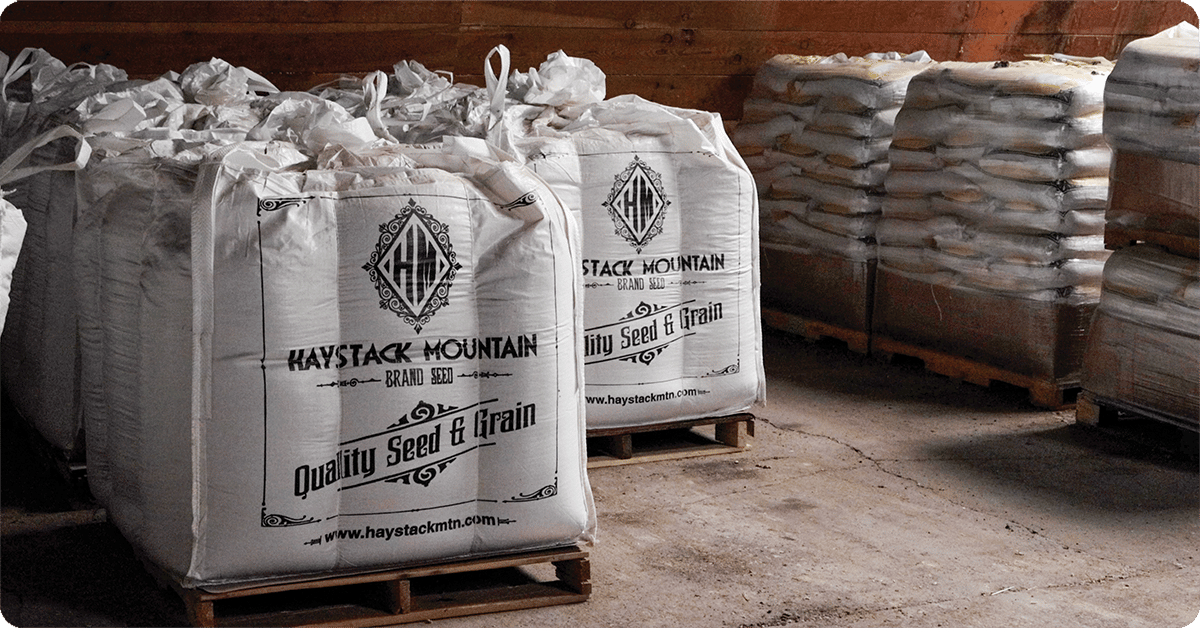
Consult with your local IFA agronomist as you prepare to plant this fall. Their expertise and the wide variety of products available from Haystack Mountain Brand will increase your chances of success.

Written by Jason Stevens, Haystack Mountain Brand Seed, and originally published in the IFA Cooperator magazine (vol. 92, no. 3) Fall 2026.
Jason Stevens is the owner and manager of Haystack Mountain Brand Seed, a comprehensive seed production, conditioning, and vending operation based in the heart of Central Utah. Jason has cultivated a reputation for excellence and reliability while serving the Western USA seed industry for over four decades. Jason has extensive expertise in navigating the unique environmental demands of Western climates, and he is committed to providing high-quality seed solutions that support the long-term success of the agricultural community.