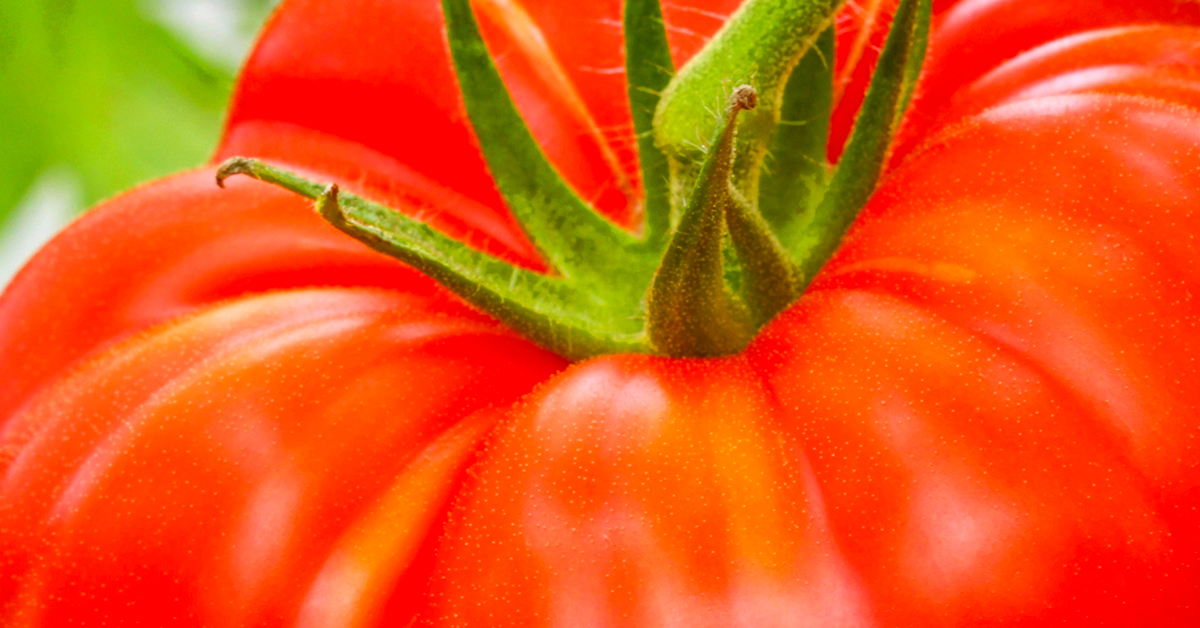
Growing the biggest, best tomatoes starts long before the first fruit appears. Success depends on intentional care—starting with nutrient-rich soil and high-performance tomato fertilizer—to ensure meaty and mighty tomatoes get picked from the vine.
That early attention matters because a tomato’s maximum size is determined almost immediately after pollination, during the brief window when cells are rapidly dividing. The more cell divisions that happen, the larger the fruit becomes. By creating the right conditions from the start and maintaining them with consistent water, light, temperature, and nutrition, you give each tomato the chance to reach its full potential.
Big tomato growers, listen up. Your best bet for growing the largest tomatoes starts with a variety that naturally produces them. Certain varieties, such as heirlooms and hybrids, are bred for their impressive size. Often, the largest tomato varieties are named after their genetic size. Cues like “big”, “beef”, or “giant” might be found in the name, but it’s not always the case. Some examples of naturally large varieties include:
Big Zac Tomato: a Legendary Prize-Winner
The Big Zac tomato lives up to its name, consistently producing massive, 4- to 6-pound beefsteak fruits that are as meaty and delicious. With a classic tangy flavor and vigorous vines, it’s a great choice for urban gardeners who want to bring home the bragging rights this harvest season.
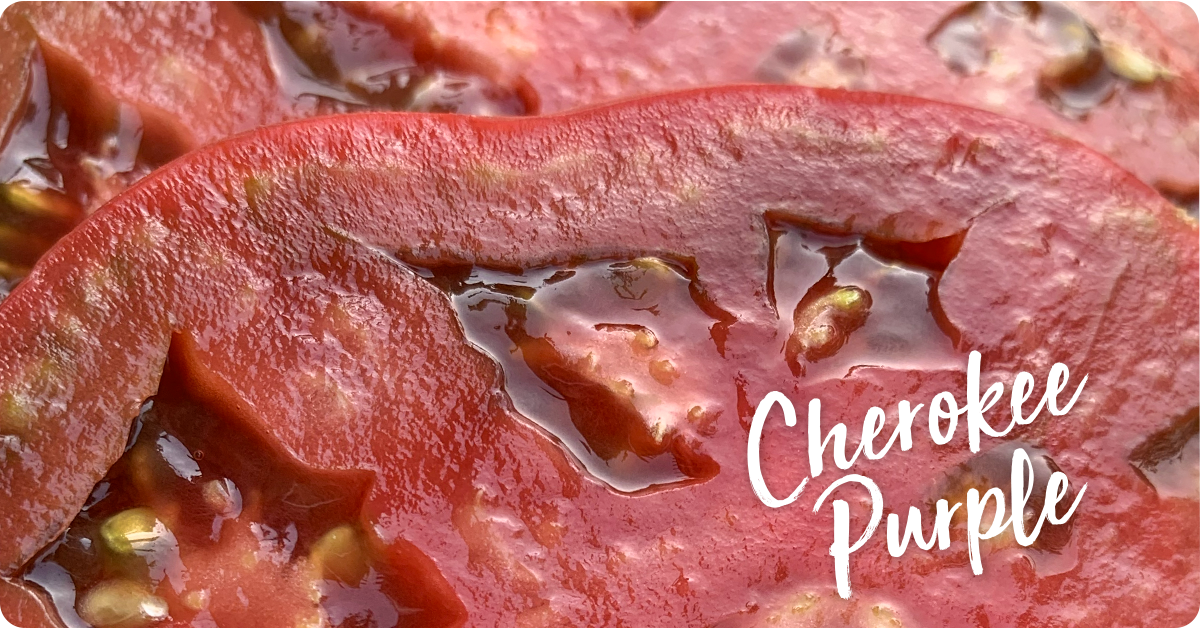
Cherokee Purple Tomato: an Heirloom Legend with Deep Flavor
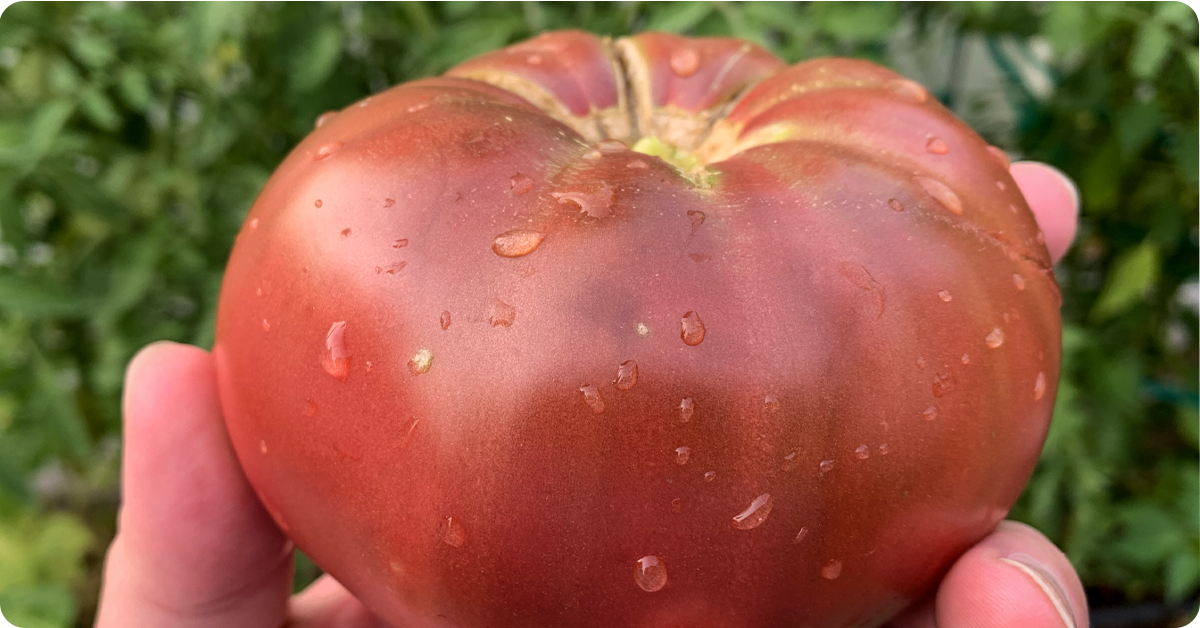
The Cherokee Purple is a garden favorite known for its large, dusky-rose fruits. These beefsteak-style heirlooms easily reach 12 to 16 ounces and offer a rich, complex flavor. Gardeners love the combination of impressive size and thin-skinned, juicy texture.
Beefmaster Tomato: a Heavyweight Champion of Slicers
True to its name, the Beefmaster is a massive hybrid. It consistently produces huge, meaty tomatoes that often weigh 2 pounds or more. This variety is the top choice for giant, mouth-watering slices that can cover an entire piece of bread.
German Johnson Tomato: a Southern Giant with Robust Yields
The German Johnson is a large, pink-red heirloom prized for its deep ribbing and hefty 24-ounce size. It serves as a parent to many modern favorites while delivering a classic, low-acid sweetness. These vigorous vines are perfect for anyone looking to grow substantial, old-fashioned tomatoes.
Big Boy Tomato: a Reliable Goliath for Every Garden
The Big Boy is a household name for a reason. These smooth, bright red fruits frequently reach a pound or more and feature thick-walled, meaty interiors. Its consistent, large-scale production makes it a dependable staple for your heavy summer harvest.
Beefsteak Tomato: the Original Big-Scale Classic
The classic Beefsteak remains the gold standard for size. These wide, ribbed fruits range from 12 ounces to over 2 pounds and feature solid flesh with very few seeds. It is the ultimate variety for gardeners who prioritize sheer scale and traditional flavor.
Step 2: Cultivate Healthy Soil and Stimulate Growth with Fertilizer, Amendments and Blossom Enhancers
After choosing the right variety, big tomatoes start at the roots. Soil plays a huge role in the success of growing the biggest and best tomatoes. It supplies nutrients, feeds vital microorganisms and retains water. All tomatoes need quality, nutrient-balanced soil. The biggest tomatoes require rich, well-drained soil before planting.
Healthy soil is the foundation for thriving tomatoes. To grow the best tomatoes, the soil must be:
- Nutrient-rich with phosphorus for strong roots and flowers and potassium for plant health and fruit quality.
- Loose, allowing roots to spread and breathe, which prevents waterlogging.
- High in organic matter to encourage robust root growth and overall plant vigor.
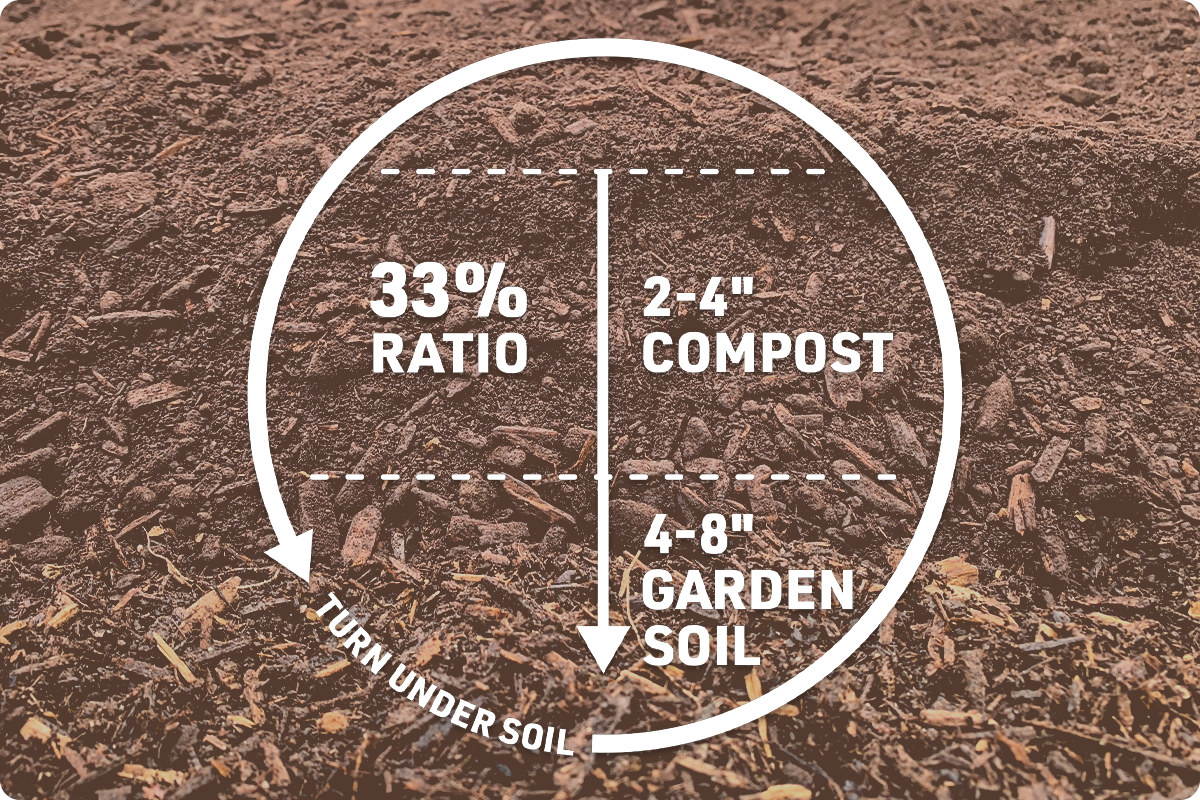
Soil Amendments Retain Water and Improve Nutritional Uptake
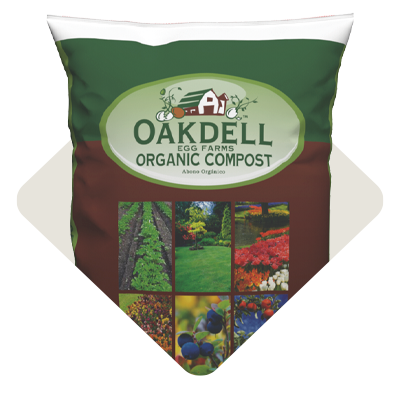
Soil amendments are materials added to a soil that improve its physical properties for plant growth, such as water retention, permeability, water infiltration, drainage, aeration, and structure. Tomatoes thrive in rich organic matter such as compost and aged manure. We recommend the following soil amendments for cultivating the largest tomatoes:
To give your tomatoes the strongest possible start, the right soil amendments can make all the difference. Here’s three recommendations to help you create the best foundation for big, healthy tomatoes.
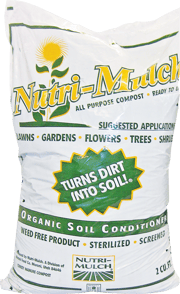 Nutri-Mulch Compost is a premium, natural compost developed over the past 20 years. Its slow nutrient release technology improves clay soil by enhancing root growth, drainage, and airflow. This eliminates the need for separate conditioners.
MWP Soil Pep is a mulch made with 3/8 minus screened bark material, and makes a great soil amendment during the fall months since the mulch will have all winter to decompose.
G&B Organics Harvest Supreme Soil Amendment is a premium soil amendment, featuring 15% composted chicken manure for vigorous growth. This soil amendment is best mixed with native soil to maximize plant production. Enhanced with beneficial mycorrhizae, it fosters strong roots and healthy plants.

The healthiest soil is aided by fertilizer. For best results, use a tomato plant fertilizer that is either balanced in macronutrients (with an even N-P-K ratio) or one with more Phosphorus. Find the N-P-K ratio on the packaging, showing the precise proportions of Nitrogen, Phosphorus, and Potassium.
The fertilizer you choose depends on your soil and your plant’s nutrient needs. These fertilizers are generally recommended for growing big and beefy tomatoes:
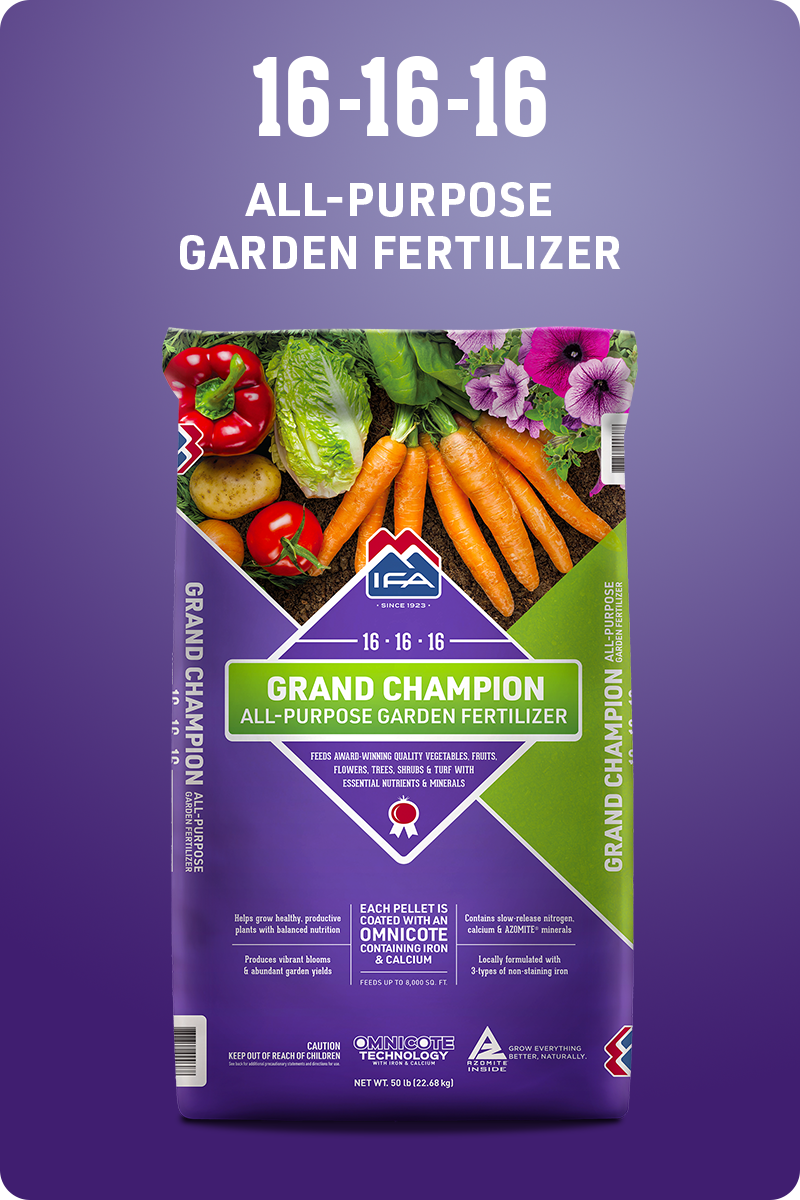
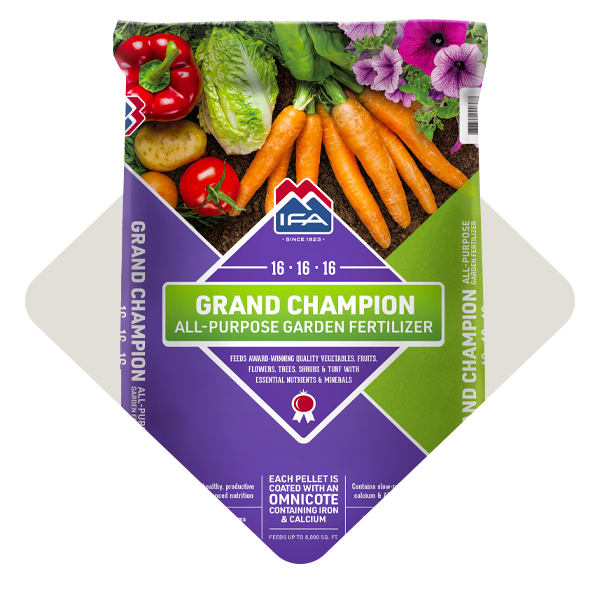
IFA Grand Champion 16-16-16 is a complete, balanced granular fertilizer with all macronutrients, best for pre-plant or season-long application. Its 16% phosphorus promotes vegetative, blossom, and root growth, yielding quality fruits and vegetables with balanced nutrition
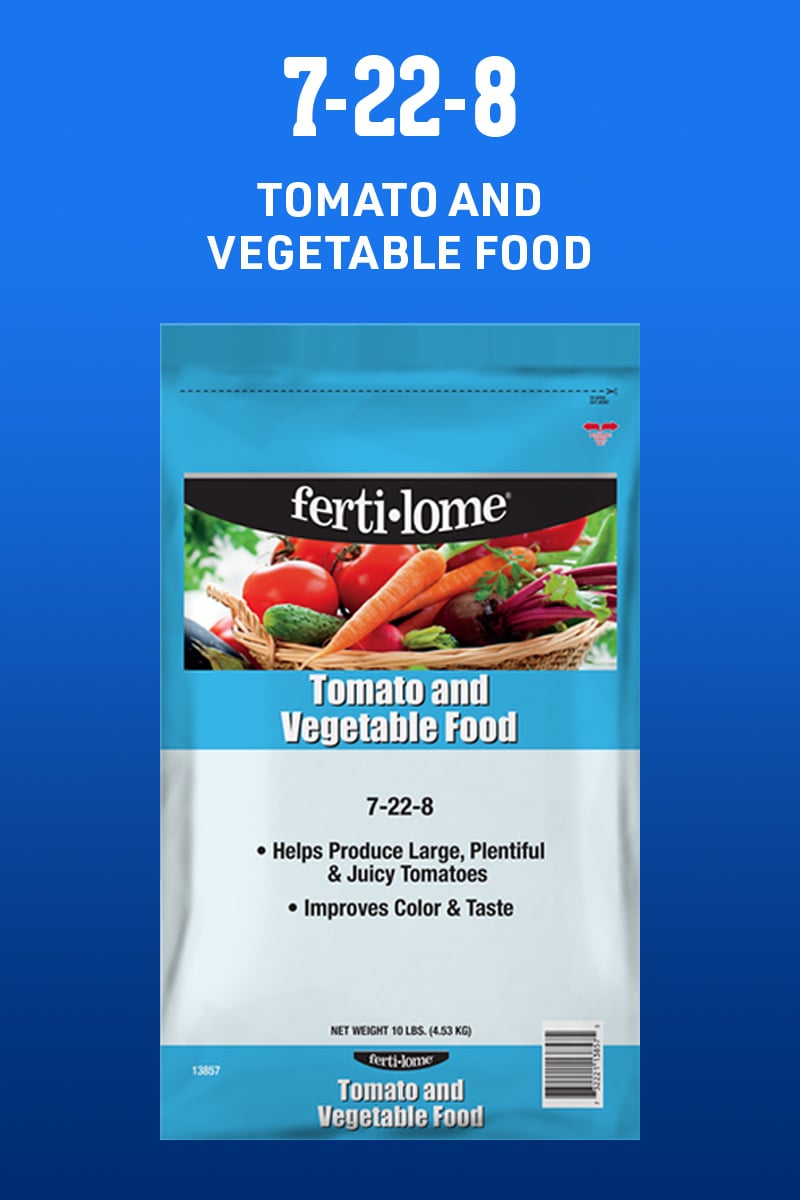
Fertilome Tomato and Vegetable Food 7-22-8 promotes large, juicy tomatoes and harvests. It contains 7-22-8 fertilizer plus 5 micronutrients, with extra phosphorus for improved root growth and blossoming.
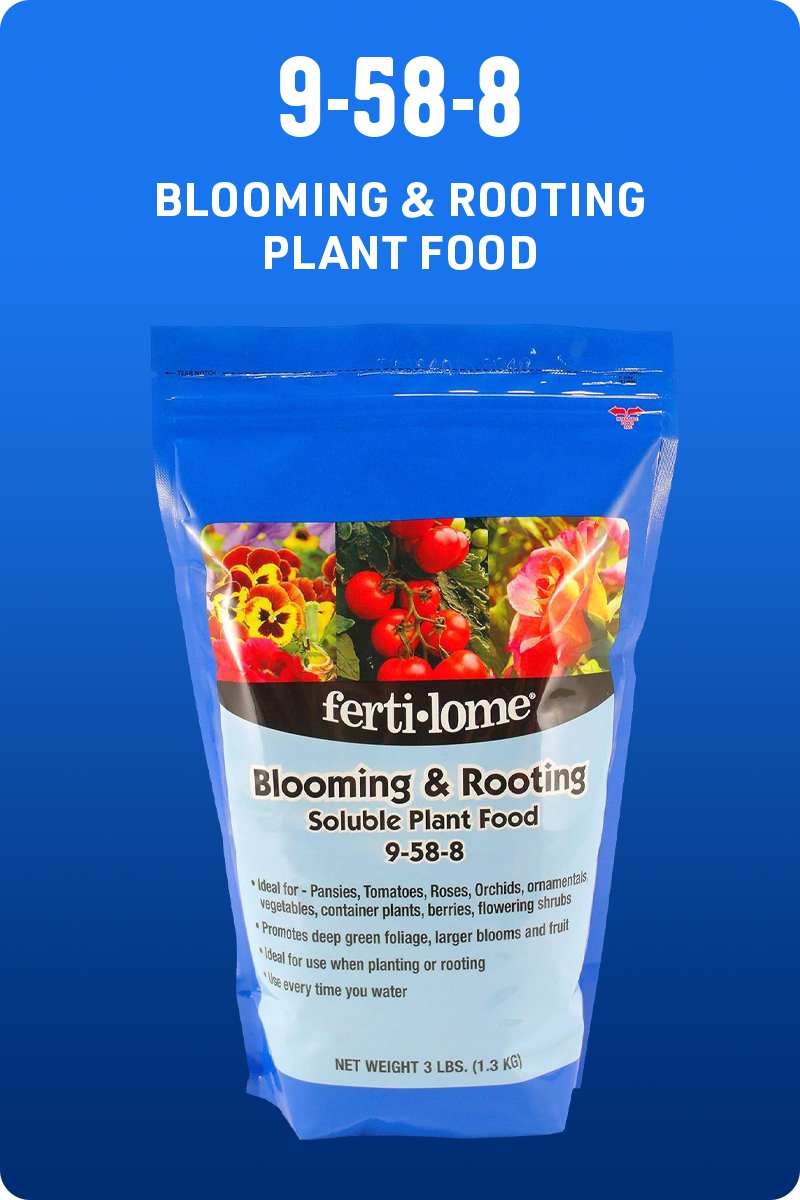
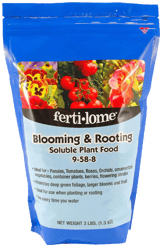 Fertilome Blooming & Rooting Soluble Plant Food 9-58-8 is a highly concentrated, water-soluble plant food that promotes quicker uptake, vigorous blooming, and root development in tomatoes.
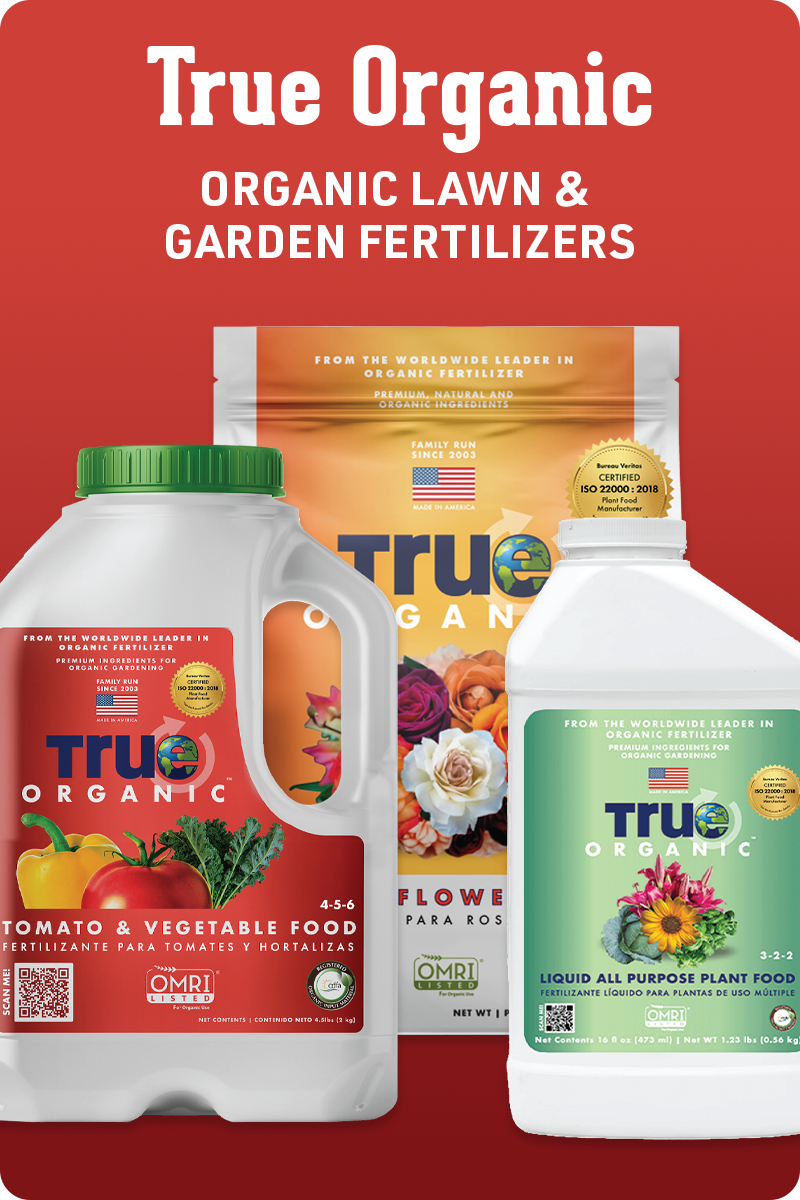
True Organic Tomato and Vegetable Food is a certified OMRI-listed, complete organic fertilizer made from natural sources such as poultry manure and fish meal. It includes 6% calcium to prevent blossom end rot, with ingredients beneficial for both plants and soil.
IFA Grand Champion Liquid All-Purpose Fertilizer 8-6-4 is a premium, balanced, organic-based liquid fertilizer providing a full range of readily available macronutrients, secondary nutrients, and micronutrients. Enhanced with fulvic acid, this all-purpose fertilizer promotes optimal growth.
Fertilizer isn’t just a pre-planting step! Be sure to feed the plants when planting and throughout the season. Follow the directions as described on the package.
Plant Blossom Set Enhancer Stimulates Tomato Growth
Using a plant blossom set enhancer can make your plants more resilient and produce bigger, better fruit. These spray-on products contain hormones designed to stimulate fruit development. It forces blossoms to set fruit even during poor weather conditions like extreme heat, cold or drought. The result is often faster setting and larger fruit.
Fertilome’s Tomato & Pepper Set is designed to produce larger, meatier tomatoes that ripen up to 3 weeks earlier and reduce blossom end rot.
Step 3: Plant Tomatoes to Maximize Root Growth
- Bury the plant at least ⅔ of its height (including the root ball) deep. Deep planting maximizes root growth by creating a deep root system, as every tiny hair on the stem can produce a root.
- Snip low branches to prevent soil-borne diseases from splashing up onto the leaves.
- Remove fruit before planting. This allows the plant to concentrate on a few tomatoes.
- Use black plastic mulch to keep the soil warm and prevent weeds. Cut an X in the plastic and fold the corners under to prevent the mulch from touching the plant.
- Provide at least 2 feet of space for each plant. This guarantees sun exposure for ripening, while also improving airflow and preventing disease. Overcrowded plants will yellow and grow slowly.

Step 4: Ensure 8 Hours of Direct Sun
The bigger the tomato, the more sunlight it needs. Tomatoes need at least 8 hours of full sun per day, but that doesn't mean they can withstand the heat. Don’t let your tomatoes get sunscald! Letting them sit out in direct sun during peak afternoon heat causes white and yellow patches. To prevent this, use a 40–50% density shade cloth to keep the fruit and the plant healthy.
Step 5: Prune and Thin to Encourage Tomato Plant Growth
Looking to win for size rather than taste? Focus on promoting fruit growth over vegetative growth:
- Pruning suckers: Remove the small shoots growing between the main stem and branches to improve air circulation and direct the plant's energy toward developing larger fruit.
- Thinning fruit: Thin out small tomatoes in overly dense clusters. While this reduces the total yield, it encourages the plant to focus its resources on producing fewer, larger, more uniform tomatoes.
- Removing blooms: Remove all blooms on a plant except for 3-4 bloom clusters, so the plant puts all of its energy into growing the largest tomato in these clusters.

Step 6: Water Tomato Plants 1-2 Inches Weekly
To grow the largest tomatoes, plants need 1-2 inches of water per week. Always water at the base of the plants, avoiding overhead watering. The best way to achieve base watering is to create rows along the sides of the plants or use a drip system.
Cracking happens when moisture levels fluctuate. Rapid growth caused by a sudden increase of water after a dry spell makes the fruit expand quickly, like "stretch marks," resulting in cracks. Prevent tomato cracking by:
- Maintaining even soil moisture: Consistent moisture levels are key to reducing the risk of tomato cracking.
- Watering deeply: Typically, watering deeply 1–2 times a week is good enough unless you’re growing in a planter that doesn’t hold water well.
- Adjusting for conditions: During very hot summer weather or when growing in containers, which have less water-holding capacity, you may need to water more frequently, possibly 3–4 times a week.
Your Local Source for Tomato-Growing Tips and Supplies
Big tomatoes come from thoughtful prep, good soil, and a little guidance along the way. Swing by your local IFA Country Store for tried-and-true tips from folks who love growing just as much as you do, plus all the things you need to help your tomatoes thrive.
Information for this article was provided by Brenda Christophersen, Garden Center Manager, Ogden IFA Country Store; and Brinn Hutcheon, Garden Center Asst. Manager, Riverton IFA Country Store.
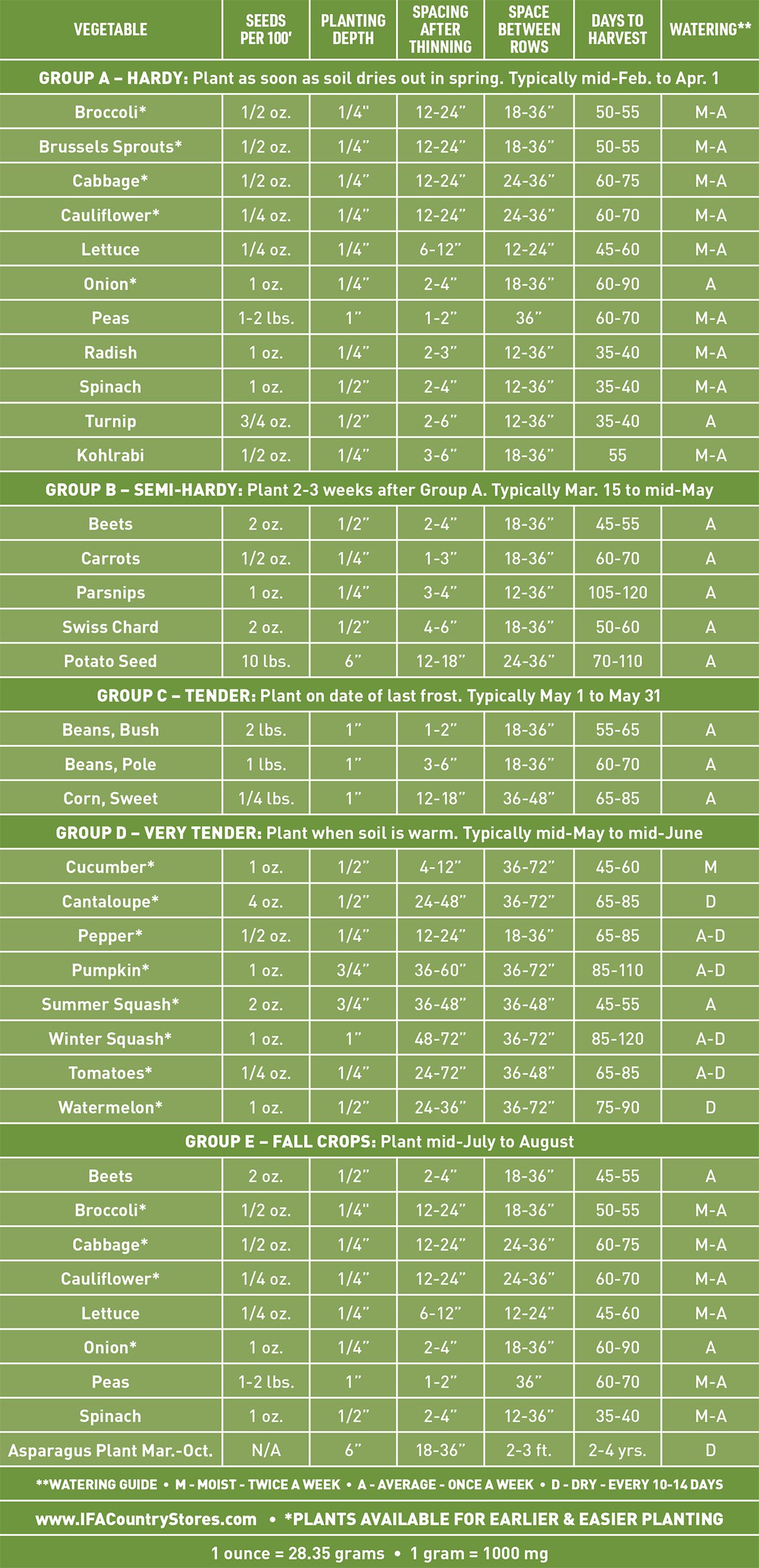
IFA Vegetable Planting Guide: