


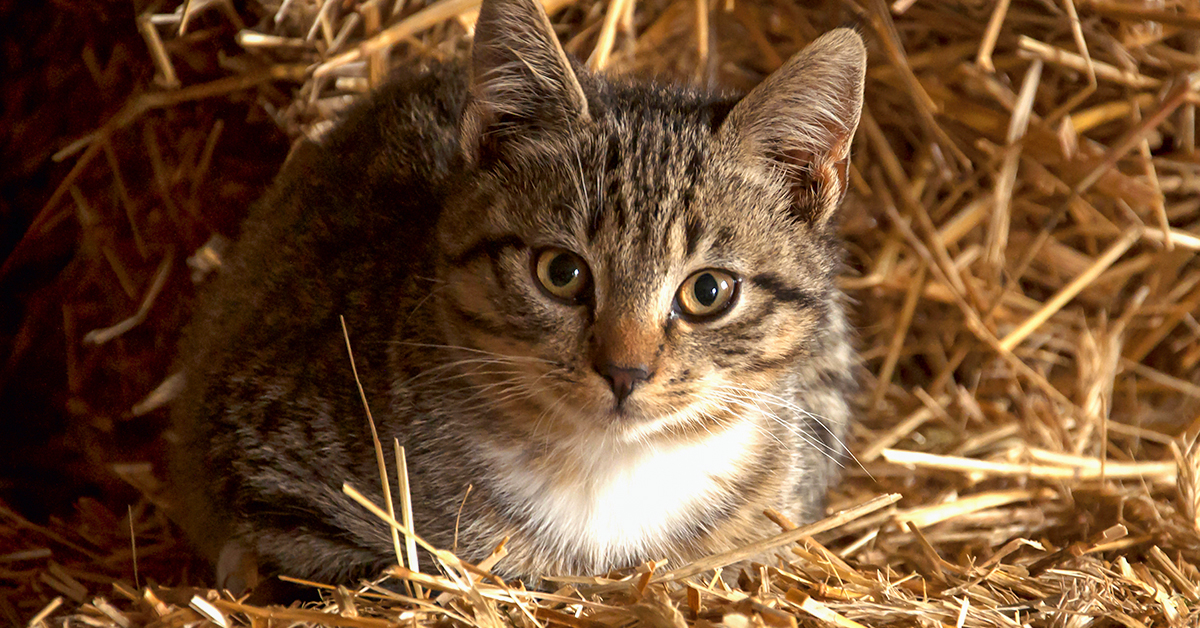
Barn cats do more than keep the barn free of rodents—they add energy and a touch of country character to each day on the farm. When your barn cats are healthy and content, they stick around, work harder, and become valued members of your operation.
While barn cats are great at pest control, they aren’t entirely self-reliant and still need your support to stay strong, safe, and thriving. A little care from you goes a long way. Here’s how to keep your barn cats healthy and happy.
Basic Barn Cat Care: Daily Must-Haves
Every cat in the barn counts on you for their daily essentials. Giving them a little attention each day helps them thrive and builds trust, encouraging them to make your farm their home.
 Food and Water
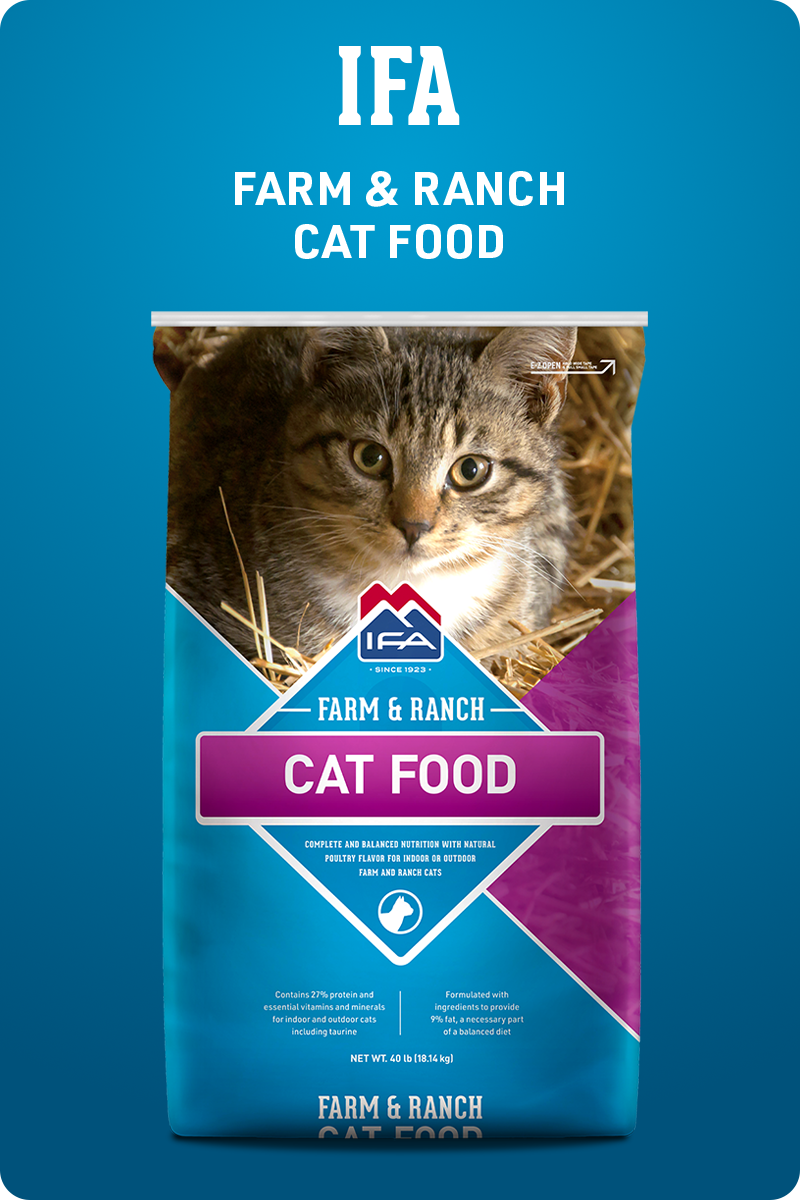
Barn cats can’t thrive on just “whatever they catch”—they need fresh food and clean water every day. Offer both consistently to support their health and keep them hydrated, especially during hot weather or when they’re active. A combination of dry kibble, like IFA Farm & Ranch Cat Food, and wet food delivers balanced nutrition and important moisture. Feedings at the same time each day help your barn cats feel secure and ensure they come back regularly.

Shelter
A warm, dry, and insulated spot with fresh bedding is essential for your barn cats’ comfort and well-being. When the temperatures drop, providing an insulated shelter isn’t spoiling them—it’s an act of care that can make all the difference. Cozy, clean housing protects them from the cold and helps them stay healthy throughout winter. In the colder months, a warm resting area, such as a heated cat house or even an upside down cooler with a DIY door hole, can support their daily routines. This enables them to continue doing their important work around the barn.
Litter Box (at first)
During the first few weeks, provide a litter box in your barn cats’ confined area while they get settled. Choose a quiet, low-traffic spot to help them feel safe and encourage good habits from the start. This temporary setup supports their adjustment and makes for a smoother transition into their new home.

Acclimation and Safety: Helping Cats Settle In
Welcoming a barn cat into your operation is more than simply providing food and shelter—it’s about making them feel truly at home. Thoughtful adjustment and settling in helps set your cats up for long-term comfort, safety, and success on your property.
Start Confined
Every new barn cat needs time to understand where “home” is. For the first five weeks, keep your new arrivals in a secure, quiet area—like a dedicated barn room or sturdy enclosure. This routine helps them bond to their new home, eases their stress, and greatly lowers the risk of wandering off.
Night Security
Predators don’t clock out at sunset. Each evening, bring your barn cats inside or into a protected space to keep them safe overnight. A secure enclosure or sheltered area will give you peace of mind and help your cats settle into their routine.
Check Before You Start Equipment
Barn cats love to nap under warm engines and equipment. Before you fire up the tractor or any machinery, take a careful look underneath and around your gear. A quick check can help keep your feline coworkers safe and sound.

Health and Veterinary Care: Keeping Your Barn Cats Thriving
Your barn cats work hard each day, and it’s up to you to help them stay in top condition. With a little extra attention to their health and well-being, your feline partners will continue to thrive on your operation.
Spay/Neuter
Help prevent unwanted litters and reduce roaming by having your barn cats spayed or neutered. Unless you want a barn full of kittens, get it done. This is a simple step that makes a big difference for your feline crew and the whole farm. Many counties and cities even offer free or discounted spaying and neutering through TNR (Trap-Neuter-Return) programs for feral or stray cats. Check with your local government or veterinarian to see what options are available to you.
Vaccinations
Make sure your barn cats are up-to-date on their core vaccines—rabies, FVRCP, and distemper. These essential shots protect them from serious illness and keep your entire barn community safe.
Parasite Prevention and Deworming
Outdoor cats run into fleas, ticks, and worms more than you might think. Keep your barn cats healthy by using flea, tick, and parasite preventatives regularly. Schedule routine deworming to stay ahead of internal parasites—your cats (and your feed) will thank you.
Vet Visits
Annual wellness exams help catch issues early and keep your barn cats in top shape. If you can, arrange for yearly checkups. Mobile vets are a convenient option for rural operations and make it easier to stick to a health routine.
Also check with your local IFA Country Store. Many of our stores schedule vet visits throughout the year for animal wellness checks and vaccination clinics.
Emergency Plan
Take a moment to look up the nearest vet clinic and keep their contact information handy. Preparing now means you’ll be ready if your barn cats ever need urgent care.

Additional Tips and Friendly Advice
Barn cat care isn’t just about the basics—sometimes, a few simple habits make all the difference. Here are some time-tested tips from folks who know the value of healthy, happy cats on the farm.
Pair Up for Companionship
Cats are social by nature, and having a buddy often helps them feel less isolated in the barn environment. Adopting in pairs means your barn cats have friendly company, leading to happier, well-adjusted pets that settle in more easily and stick around.
Watch for Health Changes
Pay close attention to your cats’ behavior and litter habits. Sudden shifts—like changes in activity levels or stool—can be early signs something’s off. Regular monitoring helps you catch health issues early and keep your barn cats at their best.
Early Socializing Matters
Spending a bit of time with your barn cats while they acclimate builds trust and confidence. Even brief, positive interactions help your cats see you as an ally, making future care—like routine checkups or emergency handling—much easier and less of a rodeo for both you and them.



Essential Takeaway: Caring for Barn Cats
Barn cats aren’t high-maintenance, but they’re not “set and forget” either. With consistent food, shelter, and veterinary care, you’ll keep your barn running smoothly and your cats healthy, happy, and ready to work. Just a little effort helps them thrive in their home, providing effective pest control and adding country charm to your operation.
If you have questions or want to make sure your barn cats have the best nutrition and care, stop by the pet department at your local IFA Country Store—we’re always here with quality cat food, supplies, and down-to-earth advice.
Looking for a barn cat companion? Many counties offer FREE barn cat programs to help rehome stray cats.



Information provided by Martha Page, Pet Food & Supply Category Manager. Photo Credit: Ashley V.